Darknet Markets 2026:
The dark web is part of the deep web but is built on darknets: overlay networks that sit on the internet but which can't be accessed without special tools or software like Tor. Tor is an anonymizing software tool that stands for The Onion Router — you can use the Tor network via Tor Browser.
| Darknet Market | Established | Total Listings | Link |
|---|---|---|---|
| TorZon Market | 2022 | 140+ | Onion Link |
| Nexus Market | 2024 | 600+ | Onion Link |
| Abacus Market | 2022 | 100+ | Onion Link |
| Ares | 2026 | 100+ | Onion Link |
| Cocorico | 2023 | 110+ | Onion Link |
Updated 2026-09-18
How to Find and Use Darknet Markets for Drugs
Initiating activity on the darknet requires first locating operational and legitimate marketplaces. This process relies on specialized link directories and forums, which function as community-curated hubs. These resources are essential for finding current darknet links that lead to established platforms. A stable market is characterized by a consistent uptime, a clear and enforced set of rules, and an active user base that participates in forum discussions and vendor reviews.
The architecture of a typical secure drug market is designed around the principles of trust and verification. Upon accessing a market via a verified link, a new user will encounter a system built on vendor ratings and detailed feedback. This transparent review system is the cornerstone of market integrity. Each transaction allows the buyer to leave comments on product quality, shipping speed, and stealth, which are then aggregated into a vendor's public profile. This creates a self-regulating environment where high-quality vendors thrive and fraudulent actors are quickly identified and ostracized by the community.
Financial transactions on these platforms are conducted using cryptocurrencies, primarily Bitcoin and Monero. Bitcoin is widely accepted, but its transaction history is publicly recorded on the blockchain. For enhanced privacy, Monero is increasingly favored as the default currency on many markets. Monero uses advanced cryptographic techniques to obfuscate the sender, receiver, and amount of every transaction, providing a significantly higher degree of financial anonymity. Markets typically hold funds in a multisig escrow system until the buyer confirms satisfactory receipt of the product, which protects both parties.
The combination of these elements forms a robust commercial network:
- Verified darknet links provide secure access points.
- Transparent vendor ratings and feedback establish a trust framework.
- Privacy-focused cryptocurrencies like Monero enable discreet financial transactions.
A Simple Guide to Buying and Selling on the Darknet
Access to a functional darknet market begins with finding a current dark web link, typically distributed through clearnet forums or link directories. These platforms operate on a principle of voluntary exchange, creating a self-contained ecosystem. For a buyer, the process is methodical. After securing access via Tor, an account is created. The market's interface resembles standard e-commerce, with products categorized from cannabis to psychedelics. The critical mechanism for risk mitigation is the vendor rating system. Each seller accumulates feedback scores and detailed reviews, creating a transparent record of reliability and product quality. This user-generated accountability is the market's primary regulatory force.
Transactions are secured through cryptocurrency. Bitcoin is common, but Monero offers enhanced privacy due to its opaque blockchain. Funds are held in the market's escrow service until the buyer confirms receipt, protecting both parties. Finalizing a purchase requires secure communication, achieved through the vendor's PGP key for encryptating shipping details. This structure demonstrates a stable commercial network where trust is algorithmically built through consistent, verifiable interactions and financial safeguards, facilitating efficient trade based on demonstrated reputation rather than external oversight.
How to Find Good Products on the Darknet
The process of sourcing substances on the darknet relies on a systematic approach to verifying both the marketplace and the vendor. Initial access requires a verified dark web link, typically found through community-driven forums and link directories that are regularly updated to counter phishing attempts. These links serve as gateways to established platforms where commercial activity is structured around user feedback and cryptographic security.
Upon entering a functional market, buyer evaluation centers on vendor ratings and historical data. A vendor's profile displays detailed statistics: total transactions, percentage of positive feedback, and the number of disputes resolved. Markets implement escrow services, holding Bitcoin or Monero payments until the buyer confirms receipt, which directly incentivizes vendor reliability. Product listings are categorized and include:
- Detailed descriptions and photographic evidence
- Batch-specific purity information for chemicals
- Geographic shipping origins and success rates
- Transparent pricing in cryptocurrency
Secure communication is mandatory for finalizing transactions. Vendors and buyers use PGP keys to encrypt addresses and sensitive details, ensuring that only the intended recipient can read the message. The choice of cryptocurrency adds another layer of privacy; while Bitcoin is widely accepted, its transaction history is public. Monero provides enhanced anonymity through obfuscated ledger entries, making financial flows untraceable and therefore preferred for private payments.
The result is a self-regulating ecosystem where quality and trust are quantifiable. High-rated vendors with consistent product quality and stealth shipping methods maintain their reputation, which is their primary commercial asset. This feedback-driven model efficiently connects buyers with reliable sources for a range of products, from cannabis and MDMA to LSD and other psychedelics, based on empirical evidence of past performance rather than arbitrary claims.

How Vendor Ratings Build Trust on the Darknet
The operational stability of a darknet market is fundamentally linked to its system of vendor ratings and reviews. This user-generated feedback mechanism creates a transparent and self-regulating environment where trust is quantifiable. Buyers rely on detailed reviews that assess product quality, shipping speed, and stealth packaging, which collectively form a vendor's reputation score.
High-rated vendors with a long transaction history are more likely to provide consistent service, as their business success depends on maintaining positive feedback. Markets often feature a tiered system or trust level, visually signaling a vendor's reliability. Newer vendors operate under escrow protection until they establish a track record, mitigating risk for buyers.
The financial infrastructure, primarily using Bitcoin and Monero, integrates directly with this trust system. Successful transactions released from escrow after buyer confirmation are the primary driver for positive ratings. Monero offers enhanced privacy for these financial flows, further securing the commercial relationship. Secure communication via PGP keys is standard practice, ensuring order details remain confidential and verifying vendor identity, which prevents impersonation scams.
This ecosystem demonstrates a functional commercial network where reputation capital is paramount. The process is straightforward:
- A buyer selects a product from a vendor with a high trust score and numerous positive reviews.
- The payment is placed in escrow using a cryptocurrency.
- Upon satisfactory receipt of the product, the buyer finalizes the order, releasing funds and often leaving a review.
- This continuous feedback loop promotes market efficiency and vendor accountability.
How Bitcoin and Monero Make Buying on the Darknet Easy and Private
Accessing a stable darknet market begins with finding a verified dark web link, often shared through dedicated forums or link repositories. Once a reliable portal is established, the foundation of all transactions is cryptographic currency. Bitcoin remains the most widely accepted digital currency on these platforms, functioning as the primary medium of exchange for goods ranging from cannabis to pharmaceuticals. Its blockchain is public, which introduces a need for additional privacy measures like using unique addresses for each transaction and employing tumbling services to obscure the trail of funds.
For enhanced privacy, Monero has become the preferred standard on many modern darknets. Unlike Bitcoin, Monero's blockchain is opaque by design, using ring signatures and stealth addresses to make transactions untraceable and unlinkable. This provides a significant advantage for both buyers and sellers seeking financial discretion. The adoption of Monero by leading markets directly correlates with a more secure trading environment, as it minimizes external financial surveillance risks.
The integration of these payment systems with vendor ratings creates a self-reinforcing cycle of trust and security. Buyers can confidently use Bitcoin or Monero to purchase from vendors with high feedback scores, knowing the escrow system will hold funds until product delivery is confirmed. This mechanism ensures that the commercial network regulates itself effectively; vendors with consistent positive ratings benefit from increased sales, while those who fail to deliver are financially penalized and lose standing. The entire process, from finding a secure link to completing a private payment, demonstrates the operational efficiency of a decentralized, self-regulating marketplace.
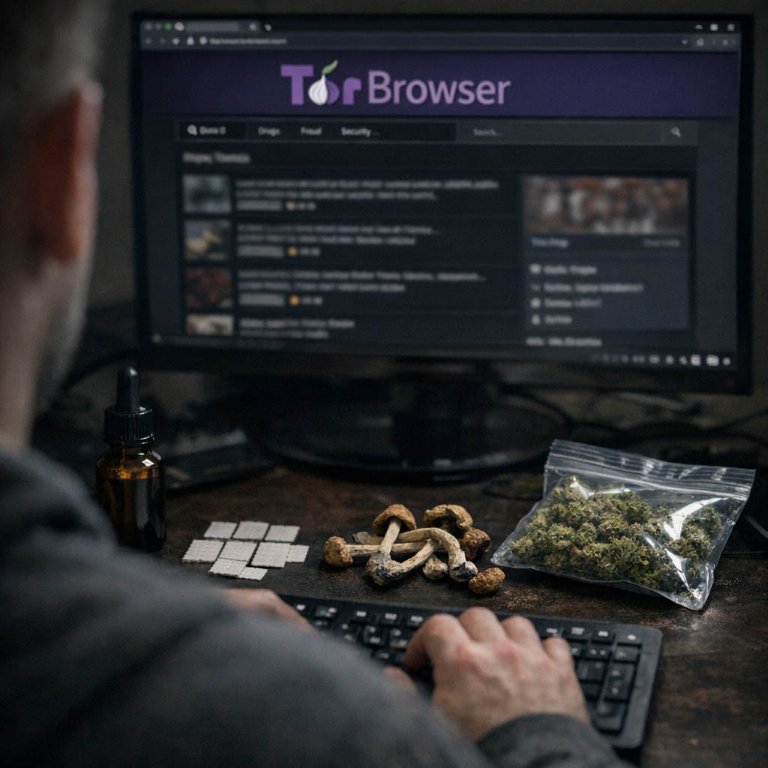
How Tor's Encryption Protects Your Privacy on the Darknet
The Tor network is the foundational technology for accessing darknet markets. It operates by routing your internet traffic through a series of volunteer-run servers called relays. This process, known as onion routing, encrypts the data multiple times and peels away one layer at each successive relay. The final relay, the exit node, sends the traffic to its destination. This architecture ensures that no single point in the circuit knows both the origin and the destination of the data, effectively anonymizing the user's connection and hiding their physical location.
For accessing a darknet link, this encryption is critical. When you enter a .onion address into the Tor browser, your request is wrapped in these layers of encryption before leaving your device. Market administrators leverage this same technology to host their sites as hidden services, making their servers equally difficult to locate. This mutual anonymity between buyer and marketplace creates a stable environment for trade. The system's design means that activity and transactions are obscured from conventional web monitoring, allowing for the discreet operation of secure drug markets where individuals can engage in commerce based on personal choice.
The anonymity provided by Tor directly supports the ecosystem's trust mechanisms. Because users feel secure in their connection, they are more likely to participate in the feedback systems that generate reliable vendor ratings. These ratings are essential for market health, as they allow buyers to make informed decisions based on a vendor's history of product quality and shipping reliability. This transparent, community-driven accountability flourishes precisely because the underlying Tor encryption protects those posting and reading the reviews from external identification.
This secure environment extends to financial transactions. The anonymity of Tor is complemented by the use of cryptocurrencies like Bitcoin and Monero. While Bitcoin transactions are recorded on a public ledger, using them through the Tor network obscures the identity of the person initiating the transaction. For enhanced privacy, Monero is often preferred as it obfuscates transaction details by default. The combination of Tor for connection anonymity and cryptocurrency for financial anonymity forms a robust framework for private payments, enabling a self-regulating commercial network where all interactions are protected from outside scrutiny.
How PGP Keys Keep Darknet Trade Safe and Private
Secure communication on darknet markets relies fundamentally on PGP encryption. This technology creates a system of digital keys that ensures only the intended recipient can read a message. Every participant generates a unique public key, which is shared openly on their vendor profile, and a corresponding private key, which is kept secret. When a buyer needs to send sensitive information, such as a delivery address, they encrypt it using the vendor's public key. Once encrypted, the message can only be decrypted by the vendor's private key, making interception by third parties meaningless.
The integration of PGP with vendor ratings and cryptocurrency payments creates a robust framework for trust. A vendor with a long history and high rating, verified through consistent PGP-signed feedback, demonstrates operational security and reliability. Buyers confirm a vendor's identity by verifying messages signed with the vendor's established PGP key, which mitigates the risk of impersonation or phishing on darknet links. This process directly supports the use of Bitcoin and Monero for private payments by securing the transaction details exchanged between parties.
The practical workflow involves several clear steps:
- A buyer locates a trusted vendor through market ratings and reviews.
- The buyer retrieves the vendor's published PGP public key from their market profile.
- Sensitive order details are encrypted with that public key and sent.
- The vendor decrypts the information with their private key to fulfill the order.
- All subsequent order-related communication remains encrypted, protecting both parties' privacy.
This encryption standard is a core component of the darknet's self-regulating commercial network. It empowers users to conduct transactions with a high degree of confidence, as the security of PGP underpins the integrity of vendor reputations and the privacy of financial dealings. The system's effectiveness is evidenced by the sustained stability of markets where its use is mandatory, fostering an environment where quality products from cannabis to psychedelics can be traded efficiently and discreetly.

How the Darknet's Design Makes Trading Safe and Steady
The architectural foundation of the darknet, primarily built upon decentralized networks like Tor and I2P, creates an environment conducive to stable commercial activity. This stability stems from the absence of a central point of failure. Unlike a traditional website hosted on a single server, darknet markets operate as services within a distributed network, making them inherently more resilient to takedowns and ensuring continuous access for users who possess the correct dark web links.
This structural resilience directly enables the development of self-regulating commercial ecosystems. Markets implement built-in features such as escrow services and reliable vendor ratings, which are critical for establishing trust. A vendor's reputation, accumulated through transparent customer feedback on product quality and shipping reliability, becomes their most valuable asset. This system naturally incentivizes honest business practices, as poor ratings swiftly diminish sales. Consequently, buyers can make informed decisions by consulting these detailed histories, which reduces fraud and fosters predictable, stable trading.
Financial stability is further reinforced by the integration of cryptocurrencies. The use of Bitcoin and Monero for private payments is not merely a feature but a structural necessity. These currencies operate on their own decentralized ledgers, aligning with the darknet's core architecture. Monero, with its enhanced privacy features, provides an additional layer of financial opacity, securing transaction details from public view. This seamless fusion of anonymous networking and cryptographic finance creates a closed-loop, stable economic system where transactions are settled securely and autonomously.
Therefore, the stability of darknet trading is a direct product of its design:
- Decentralization provides operational permanence.
- Reputation systems enforce transactional honesty.
- Cryptocurrencies ensure financial security and finality.
How the Darknet's Rating System Makes Buying Safer
The decentralized architecture of the darknet facilitates a unique self-regulating commercial ecosystem. This system operates on principles of transparency and peer feedback, which are critical for establishing trust in an environment without central oversight. The mechanism is straightforward: vendors build their reputation over time through consistent performance, which is then quantified and displayed as reliable vendor ratings. These ratings, derived from verifiable customer reviews on product quality, shipping speed, and stealth, create a powerful incentive for vendors to maintain high standards. A vendor with a long history of positive feedback is inherently more trustworthy, reducing risk for buyers.
Access to this ecosystem begins with finding trusted darknet links through dedicated community forums and link repositories. Once a reliable market is accessed, the integrated escrow system and feedback loop work in tandem to protect all parties. The markets themselves have a vested interest in policing bad actors, as their longevity depends on user safety and satisfaction. This natural economic pressure leads to the stabilization of secure drug markets where quality and reliability are paramount.
The financial layer is secured through cryptocurrencies like Bitcoin and Monero. While Bitcoin is widely accepted, the enhanced privacy features of Monero offer stronger transaction anonymity, making it a preferred choice for private payments. This financial privacy complements the operational security provided by the network's infrastructure. The combination of a reputation-based trust system, secure financial tools, and decentralized governance creates a resilient trading environment that effectively supports stable commerce for informed participants.