Darknet Markets 2026:
The dark web is part of the deep web but is built on darknets: overlay networks that sit on the internet but which can't be accessed without special tools or software like Tor. Tor is an anonymizing software tool that stands for The Onion Router — you can use the Tor network via Tor Browser.
| Darknet Market | Established | Total Listings | Link |
|---|---|---|---|
| TorZon Market | 2022 | 140+ | Onion Link |
| Nexus Market | 2024 | 600+ | Onion Link |
| Abacus Market | 2022 | 100+ | Onion Link |
| Ares | 2026 | 100+ | Onion Link |
| Cocorico | 2023 | 110+ | Onion Link |
Updated 2026-09-18
Finding Reliable Darknet Markets for Goods
Accessing specialized goods on the darknet requires identifying platforms that prioritize vendor reliability and transaction security. The most effective darknet markets operate on a foundation of cryptocurrency payments, primarily Monero (XMR) and Bitcoin (BTC), which provide the necessary financial privacy. These markets function as escrow-based ecosystems, where funds are held securely until the buyer confirms satisfactory receipt of goods, thereby incentivizing honest vendor behavior.
A market's viability is directly linked to its reputation system. Potential buyers analyze vendor profiles, examining:
- Transaction count and positive feedback percentages.
- Detailed customer reviews describing product quality and shipping discretion.
- Vendor badges indicating consistent service over time.
Finding current dark web market urls is a dynamic process due to routine operational security cycles. Users rely on clearnet forums and aggregator sites that publish verified mirrors and onion links. Utilizing a darknet market directory is standard practice, but each link must be validated through PGP signatures to confirm it is not a phishing attempt. The most stable markets often employ a rotating list of mirror addresses to maintain accessibility.
How Crypto and Escrow Make Buying on the Darknet Safe and Easy
The financial architecture of darknet markets is built upon cryptocurrency, primarily Monero (XMR) and Bitcoin (BTC). These currencies enable transactions that are pseudonymous by design, separating financial activity from real-world identity. Monero provides enhanced privacy through stealth addresses and ring signatures, making it the preferred choice for anonymous shopping. Payments are secured using an escrow system held by the market itself. This mechanism releases funds to the vendor only after the buyer confirms successful receipt of the goods, which directly reduces fraud and builds trust.
This payment model supports a secure drug trade by creating a predictable and low-risk economic environment. The technical process involves:
- Generating a unique deposit address on the market.
- Sending the exact cryptocurrency amount, often after "tumbling" or using a built-in mixer.
- Allowing the escrow to lock the funds until order completion.
How Darknet Markets Keep Your Shopping Private and Secure
The architecture of a darknet market is fundamentally engineered to protect user identity and transactional data. This is achieved through a layered approach that integrates network-level anonymity with cryptographic financial privacy. The Tor network provides the foundational layer, routing all traffic through multiple encrypted nodes to obscure a user's IP address and physical location. Accessing a market requires a Tor browser, which renders the user's connection untraceable to the market's server.
Financial anonymity is secured through the use of cryptocurrencies, primarily Bitcoin and Monero. While Bitcoin transactions are recorded on a public ledger, markets employ centralized escrow systems and encourage the use of intermediary wallets to break the chain of analysis. Monero offers superior privacy by default, obscuring sender, receiver, and transaction amount on its blockchain, making it the preferred currency for truly anonymous transactions. Markets often incentivize its use with lower fees.
Operational security extends to communication and data handling. All internal messaging between buyers and vendors utilizes PGP encryption, ensuring that only the intended recipient can read the contents. Reputable markets operate on a no-logs policy, meaning they do not store sensitive user data that could be compromised. The combination of these technologies creates a secure environment where participation in commerce is separated from real-world identity, facilitating a free economic exchange without the risk of personal exposure.
A Secure and Reliable Darnet Economy
The darknet market ecosystem operates as a sophisticated digital economy, driven by principles of direct access and disintermediation. This environment facilitates a peer-to-peer exchange model where buyers and sellers interact without traditional gatekeepers. The foundation of this economy is cryptocurrency, primarily Bitcoin and Monero, which enables secure and pseudonymous financial transactions. This financial layer is critical, as it allows for the seamless transfer of value across borders with a significant degree of privacy, supporting the market's core function of providing specialized goods that are often difficult or illegal to source through conventional means.
Market stability and growth are sustained by robust vendor reputation systems. These systems function as decentralized quality assurance mechanisms, where vendor performance metricssuch as order fulfillment rate, product quality, and communicationare transparently recorded and reviewed by the community. A vendor's reputation score becomes their most valuable asset, directly influencing sales volume and pricing power. This creates a self-regulating environment where consistent, reliable service is economically rewarded, while poor performance or fraud leads to financial loss and exclusion. For the buyer, this system reduces risk and creates a more predictable shopping experience, encouraging repeat engagement and economic activity within the platform.
The operational security of these markets is paramount for their longevity. Administrators employ a multi-layered approach to maintain uptime and protect user data, which in turn sustains economic activity. Key practices include:
- Regular migration of market links and .onion addresses to mitigate DDoS attacks and domain seizures.
- Implementation of end-to-end encryption for all communications and the use of escrow services to secure funds until delivery is confirmed.
- Mandatory use of PGP encryption for sensitive data, ensuring that even if a market is compromised, user identities and addresses remain protected.
How Vendor Ratings Make Darnet Drug Shopping Safer
The vendor reputation system is the fundamental mechanism that enables secure transactions on darknet markets. These systems transform anonymous interactions into trust-based economic exchanges. A typical system collects and displays verifiable data from past transactions, creating a transparent record for each seller.
This data usually includes:
- The total number of completed sales.
- The percentage of positive, neutral, and negative user feedback.
- Detailed written reviews describing product quality, shipping speed, and stealth packaging.
- A record of the vendor's activity duration on the platform.
High-rated vendors accumulate a digital reputation that is directly tied to their revenue, incentivizing consistent reliability and quality. Buyers leverage this system to make informed decisions, systematically filtering for vendors with a long history of positive feedback. This process effectively crowdsources security, as the community collectively identifies and rewards trustworthy sellers while marginalizing those who engage in scams or provide substandard products. The result is a self-regulating marketplace where cryptocurrency payments are released from escrow only upon successful delivery, further aligning vendor behavior with customer satisfaction.
How to Find Working Darknet Market Links
Accessing a darknet market requires its current onion URL, a dynamic address that changes frequently for security. These links are not found through standard search engines. Instead, a user relies on darknet link directories and community forums. These platforms, which are also hosted as onion services, act as curated lists where administrators and members verify and share functional URLs for major markets.
The process involves consulting multiple directories to cross-reference information, ensuring a link is legitimate and not a phishing attempt. Forums provide real-time user discussions about a market's uptime and any recent URL changes. A standard verification practice is to check a market's official PGP key against a signed message on its landing page, confirming the site's authenticity before any login attempt.
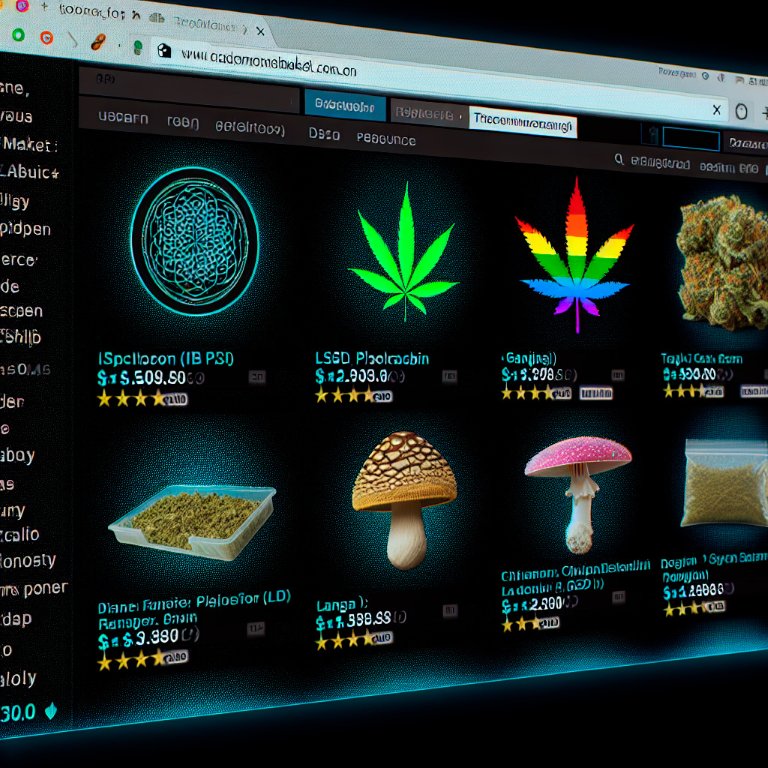
Once a valid address is obtained, the market interface presents a catalog of goods. Transactions are conducted using cryptocurrency, primarily Bitcoin or Monero, with funds held in escrow until the buyer confirms receipt. This system, combined with vendor reputation scores and detailed feedback reviews, facilitates a secure trading environment. The entire ecosystem is designed for anonymous access and secure transactions, supporting a consistent economic exchange.
How Darknet Markets Keep Shopping Safe and Private
Operational security for darknet markets is a multi-layered technical process. It begins with server infrastructure hosted in jurisdictions with favorable laws, often utilizing bulletproof hosting services that ignore takedown requests. Markets employ Tor hidden services (.onion addresses) and increasingly I2P networks to anonymize server location and user traffic, making direct IP identification impossible.
Financial anonymity is maintained through mandatory cryptocurrency use, primarily Monero for its enhanced privacy features or Bitcoin with mandatory tumbling. Funds are held in escrow systems until order completion, which protects both buyer and vendor and prevents exit scams. The architecture itself is designed to minimize data exposure. Many platforms operate as invite-only or require a small deposit to register, deterring large-scale automated scraping by adversaries.
Communication occurs via internal PGP-encrypted messaging, with no sensitive data stored in plaintext. Administrators enforce strict operational security protocols for vendors, including shipping guidelines and stealth packaging techniques. The codebase is regularly audited for vulnerabilities, and DDoS protection is standard to maintain uptime against common attacks. This layered approach creates a resilient environment where the economic activity of anonymous shopping and trade can proceed with reduced technical risk.