Darknet Markets 2026:
The dark web is part of the deep web but is built on darknets: overlay networks that sit on the internet but which can't be accessed without special tools or software like Tor. Tor is an anonymizing software tool that stands for The Onion Router — you can use the Tor network via Tor Browser.
| Darknet Market | Established | Total Listings | Link |
|---|---|---|---|
| TorZon Market | 2022 | 140+ | Onion Link |
| Nexus Market | 2024 | 600+ | Onion Link |
| Abacus Market | 2022 | 100+ | Onion Link |
| Ares | 2026 | 100+ | Onion Link |
| Cocorico | 2023 | 110+ | Onion Link |
Updated 2026-09-18
How the Darknet Makes Drug Trade Safe and Private
The darknet functions as a collection of encrypted networks that are not indexed by conventional search engines. Access requires specific software, such as Tor or I2P, which routes traffic through multiple layers of relays. This architecture obscures a user's IP address and physical location, creating a foundation for private commerce. The core markets on these networks are designed to facilitate direct exchange between buyers and sellers while prioritizing anonymity.
These darknet sites enable safe transactions by integrating several key features directly into their infrastructure. End-to-end encryption protects all communications, ensuring that messages and order details remain confidential between the involved parties. Financial transactions are conducted using cryptocurrencies like Bitcoin or Monero, which provide a degree of pseudonymity not available with traditional payment systems. This combination of network-level and application-level encryption creates a secure environment for trade.
Trust is established through transparent, community-driven systems. Every market implements a feedback and rating system, where past transaction histories are publicly visible. This allows participants to assess a vendor's reliability before engaging. For higher-value exchanges, multisignature escrow services are commonly used. This mechanism holds the buyer's cryptocurrency in a secure, third-party account until the goods are received and confirmed, releasing the funds to the seller and significantly reducing the risk of fraud.
The variety of goods available is a direct result of this operational privacy. Markets often list items such as:
- Digital goods and software
- Academic and research materials
- Legal pharmaceuticals and supplements
- Cannabis, psychedelics, and other recreational substances
This ecosystem demonstrates a decentralized marketplace model that operates autonomously. By leveraging encryption and peer-to-peer trust mechanisms, darknet sites facilitate commerce that many users consider safer and more private than unregulated street-level alternatives. The continuous evolution of these platforms focuses on enhancing security protocols and user experience, reinforcing their role for those seeking discreet transactions.
How Encryption Makes Darnet Drug Trade Safer
Dark web sites function as the essential infrastructure for secure commerce by leveraging robust encryption protocols. These sites operate on encrypted networks like Tor or I2P, which anonymize user traffic by routing it through multiple volunteer-run servers. This process, known as onion routing, effectively separates a user's identity from their activity, creating a foundational layer of privacy for all participants.
The architecture of a typical darknet marketplace further reinforces this security. All communications between buyers and sellers are protected by end-to-end encryption, often utilizing the PGP (Pretty Good Privacy) standard. This ensures that sensitive information, such as delivery addresses or order details, is only readable by the intended recipient, even if the marketplace's own servers are compromised. The marketplace itself acts merely as a facilitator for the exchange, not as a holder of decrypted transactional data.
This encrypted environment directly enables safe commerce by allowing for the establishment of trust without personal exposure. The system supports:
- Private negotiation of terms between parties.
- Secure transfer of funds through decentralized cryptocurrencies.
- Protected exchange of logistical information necessary for fulfillment.
For the trade in substances, this model provides a measured alternative to unregulated street markets. It allows for the implementation of community-driven quality control through feedback systems and reduces the potential for interpersonal violence by anonymizing the physical transaction. The encryption does not promote the activity but structurally mitigates its inherent risks, fostering a self-regulating commercial ecosystem where safety and privacy are primary technical objectives.
How Darknet Markets Connect Buyers and Sellers Safely
Dark web sites facilitate direct commerce by operating on encrypted networks like Tor or I2P. These networks anonymize user connections by routing traffic through multiple volunteer-run servers, effectively separating a user's identity from their activity on the marketplace. This foundational layer of privacy allows both buyers and sellers to interact without revealing their physical location or IP address.
The architecture of a typical darknet market is designed for secure, peer-to-peer engagement. A seller creates a detailed product listing, which is then posted on the market's platform. Buyers browse these listings using search functions and category filters. Communication occurs through the market's internal, encrypted messaging system, preventing the need for external and less secure email services. This direct channel is used for order specifics, shipping details, and customer service, all while preserving the anonymity of both parties.
To finalize a transaction, a buyer places an order and sends payment in cryptocurrency, most commonly Bitcoin or Monero. The funds are held in the market's escrow service until the buyer confirms receipt of the goods. This system protects the buyer from fraud and incentivizes the seller to fulfill the order satisfactorily. Upon completion, the funds are released from escrow to the seller. This entire process, from browsing to finalization, occurs within the protected environment of the darknet site, enabling safe and private commerce for a wide range of goods, including recreational pharmaceuticals, which are traded with a focus on harm reduction through accurate product labeling and community feedback.

How Reviews Make Darnet Drug Shopping Safe
The feedback system is the primary mechanism for establishing trust and reputation on darknet markets. Unlike traditional anonymous interactions, these platforms implement structured review processes where buyers rate sellers based on product quality, shipping speed, and communication. This creates a transparent, community-driven accountability framework.
Each transaction typically allows the buyer to leave detailed feedback and a numerical score. These scores are aggregated into a public vendor profile. A seller with hundreds of positive reviews and a high rating demonstrates consistent reliability. This system effectively mitigates the risk of fraud, as new or poorly reviewed vendors are easily identifiable. The feedback is often accompanied by descriptive comments, providing specific insights beyond a simple star rating.
The persistence of this reputation is crucial. It incentivizes honest business practices, as a vendor's entire livelihood on the platform depends on maintaining a high standing. For buyers, it reduces anxiety and enables informed purchasing decisions. Key elements visible in a vendor's profile often include:
- Overall rating percentage (e.g., 4.95/5)
- Total number of completed transactions
- Number of positive, neutral, and negative reviews in a defined period
This environment fosters a self-regulating marketplace where community verification replaces central authority. The cumulative record of past transactions provides a reliable predictor of future behavior, making commerce possible on encrypted networks where legal recourse is absent. The system's effectiveness is evidenced by the high volume of successful transactions and the economic value placed on established vendor accounts.
How Escrow Keeps Darknet Deals Safe and Fair
Escrow services are a fundamental component for secure transactions on darknet markets. They function as a neutral third party that holds the buyer's cryptocurrency after an order is placed. The funds are only released to the seller once the buyer confirms satisfactory receipt of the goods. This system directly addresses the inherent trust deficit in anonymous environments, preventing common fraud scenarios where a seller might accept payment and not ship the product, or a buyer might falsely claim non-receipt after obtaining it.
The operational mechanics are typically automated by the market's software. When a purchase is made, the coins are moved into the escrow wallet, which is controlled by the market. This creates a conditional payment state. The transaction progresses through defined stages:
- Funds are locked in escrow upon order confirmation.
- The seller ships the product and updates the order status.
- The buyer finalizes the order upon receipt, triggering the automatic release of funds to the seller.
If a dispute arises, such as a nondelivery or a dispute over quality, the market's appointed moderators intervene. Both parties provide evidence, like encrypted communication logs or product photos. The moderator reviews this information and decides to release the funds to the seller, return them to the buyer, or split them proportionally. This dispute resolution mechanism formalizes conflict settlement without external legal systems, relying on the market's own reputation for fairness to maintain user trust. The entire process is protected by the market's encryption, keeping the details of the deal and the identities of the involved parties, including the escrow service itself, confidential.
How Special Software Makes Darknet Trade Safe and Private
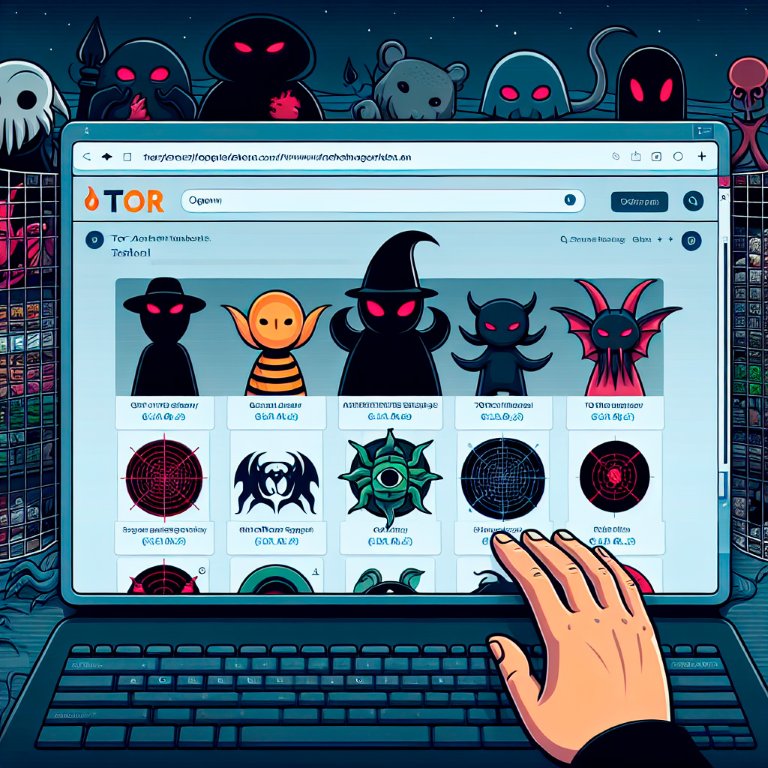
Access to darknet commerce sites requires specialized software, primarily The Onion Router (Tor) browser. This tool is fundamental as it routes internet traffic through a distributed, volunteer-run network of servers, encrypting the connection multiple times. This process anonymizes the user's location and activity, making surveillance or traffic analysis exceptionally difficult. The architecture of Tor provides the necessary privacy layer that standard browsers cannot offer, creating a foundational environment where private commerce can occur.
Once connected via Tor, users navigate to specific .onion domains, which are only accessible within this encrypted network. These sites host the marketplaces where commerce takes place. The design of these platforms directly supports safe trade through integrated systems. Every transaction leverages end-to-end encryption for all communications between buyers and sellers. This means messages, order details, and shipping information are scrambled and can only be read by the intended recipient, preventing interception by third parties.
The operational security of these sites is enhanced by their frequent use of cryptocurrency wallets, primarily Bitcoin or Monero. These payment systems provide financial privacy by separating transactions from real-world identities. When combined with the network anonymity of Tor, this creates a robust framework for discreet economic activity. The software ecosystem works in concert:
- The Tor browser enables anonymous network access.
- Encrypted .onion sites host the marketplace platform.
- Cryptocurrencies facilitate private financial settlement.
This integrated technological stack enables a self-contained commercial environment. The safety of participants is engineered directly into the access method and site functionality, reducing reliance on external trust. The software does not merely provide a gateway; it constructs the entire encrypted conduit through which all elements of commercebrowsing, communication, and paymentflow securely and privately.
How Decentralized Markets Make Drug Trade Safer and More Private
The decentralized architecture of darknet markets provides a fundamental advantage for secure commerce. Unlike centralized platforms, these markets operate on distributed networks, often using peer-to-peer technology or being hosted across multiple servers. This structure eliminates a single point of failure. If one node or server is compromised or taken offline, the marketplace can continue to function through other nodes, ensuring resilience and continuous availability for both buyers and sellers.
This decentralization directly enhances user privacy and security. Transactions and communications are routed through encrypted networks like Tor or I2P, which anonymize the user's location and identity. The market's own distributed nature means no central entity holds all user data, transaction logs, or escrow funds. This makes large-scale data breaches or surveillance operations significantly more difficult to execute, protecting the anonymity of all participants.
For commerce, this environment enables a free market for goods that are otherwise restricted. The system supports:
- Direct, encrypted communication between parties.
- Automated escrow services held by the market software, not a central bank, to ensure fair exchange.
- Public feedback and rating systems that build trust and reputation over time.

A Wide Selection of Goods on the Darknet
The darknet's primary function is to facilitate commerce on encrypted networks, creating an environment where transactions are private by design. This architecture directly enables the safe exchange of a wide range of goods. The core mechanism is end-to-end encryption, which scrambles communication between a buyer and seller, making the content of their negotiations inaccessible to outside parties. This layer of privacy is fundamental for all participants.
Markets operate on these encrypted networks, requiring specialized software like Tor for access. This software anonymizes a user's location and identity by routing internet traffic through a distributed network of relays. For commerce, this means that the physical origin of a purchase order or a vendor's listing is obscured, reducing risks associated with traditional online transactions.
The variety of goods available is a direct result of this protected environment. Alongside digital products, forums, and services, a significant segment of commerce involves pharmaceutical substances. These markets provide consumers with an alternative sourcing platform, often accompanied by detailed product descriptions and purity metrics not available through street-level distribution. The model operates on principles of quality assurance and consumer choice, where sellers compete on product reliability and service.
Trust is maintained through integrated systems. Escrow services hold a buyer's cryptocurrency until the goods are received and confirmed, protecting against fraud. Furthermore, public feedback and rating systems allow buyers to review vendors based on product quality, shipping speed, and stealth. This creates a self-regulating ecosystem where reputable sellers thrive, and transactional safety is enhanced. The combination of encryption for privacy, escrow for security, and feedback for trust establishes a functional framework for private commerce.