Darknet Markets 2026:
The dark web is part of the deep web but is built on darknets: overlay networks that sit on the internet but which can't be accessed without special tools or software like Tor. Tor is an anonymizing software tool that stands for The Onion Router — you can use the Tor network via Tor Browser.
| Darknet Market | Established | Total Listings | Link |
|---|---|---|---|
| TorZon Market | 2022 | 140+ | Onion Link |
| Nexus Market | 2024 | 600+ | Onion Link |
| Abacus Market | 2022 | 100+ | Onion Link |
| Ares | 2026 | 100+ | Onion Link |
| Cocorico | 2023 | 110+ | Onion Link |
Updated 2026-09-18
How dknet shopping works with crypto and escrow
The operational security of a darknet marketplace is fundamentally linked to its use of cryptocurrency. This financial layer provides the necessary anonymity for both buyers and vendors, creating a foundation for trade. Transactions are recorded on a public ledger, the blockchain, but the identities behind the wallet addresses are pseudonymous. This separation of financial activity from real-world identity is a primary enabler of the ecosystem.
To address the inherent trust deficit in anonymous trade, darknet markets implement a cryptographic escrow system. Funds for an order are held in a multi-signature wallet controlled by three parties: the buyer, the vendor, and the marketplace. The funds are only released when at least two parties agree. This mechanism ensures that the vendor ships the product before receiving payment, while also protecting the vendor from fraudulent chargebacks. The system automates trust, making reliable transactions possible between strangers.
The reliability of a transaction is further reinforced by the platform's reputation and review system. After a successful escrow release, buyers can leave detailed feedback on product quality and vendor communication. This creates a transparent record of performance. Vendors with consistently high ratings and many completed sales gain a trusted vendor status, which is visible to all users. This social proof guides buyers toward reliable sellers and incentivizes vendors to maintain high standards, as their business success depends directly on their reputation score.
Cryptocurrency also contributes to market resilience. Its decentralized nature means financial operations cannot be easily disrupted by targeting a single bank or payment processor. The combination of cryptocurrency, escrow, and reputation metrics forms a self-regulating economic model. It reduces fraud, ensures contractual fulfillment, and builds a predictable environment for commerce, demonstrating how these digital tools collectively enable safe and reliable trade.
How Crypto Payments Make Buying on the Darknet Safe and Easy
The operational foundation of a darknet marketplace is its financial architecture, which relies on cryptocurrency to facilitate private payments. This system provides a necessary layer of financial anonymity, separating a user's identity from their transactional activity. The primary currencies used are Bitcoin, Monero, and similar assets, chosen for their decentralized nature and cryptographic security.
The process is designed for user security. A buyer funds their marketplace account from a personal wallet, after which the platform holds the funds in a temporary escrow. This escrow system is critical, as it ensures the seller is paid only after the buyer confirms satisfactory receipt of the product. The transaction is recorded on the respective cryptocurrency's public ledger, but the identities of the parties involved are obscured by cryptographic addresses.
The advantages of this model for trade are clear:
- It enables borderless transactions without reliance on traditional financial institutions.
- It provides a verifiable and immutable record of the payment's journey through the escrow process.
- It reduces financial risk for both parties, as the escrow mechanism prevents common fraud scenarios.
This integration of cryptocurrency and escrow creates a self-regulating economic environment. Trust is not assumed but is programmatically enforced through the release of funds. The resulting system demonstrates resilience and efficiency, supporting a consistent and reliable flow of commerce based on transparent transactional rules rather than personal identification.
How Escrow Makes Buying on the Darknet Safe and Easy
The escrow system is a fundamental mechanism that enables safe trade with cryptocurrency on darknet markets. It functions as a neutral third-party service, holding the buyer's cryptocurrency payment until the transaction terms are fulfilled. This directly addresses the inherent lack of trust in anonymous environments.
When a purchase is made, funds are locked in escrow by the market's software. The vendor is notified and ships the product. Only after the buyer receives the order and confirms its satisfactory condition are the funds released from escrow to the vendor. This process creates a balanced incentive structure for both parties.
- For the buyer, it eliminates the risk of sending payment and receiving nothing or substandard products.
- For the vendor, it guarantees payment upon successful delivery, preventing fraud from buyers.
The escrow model transforms cryptocurrency from a simple payment tool into the backbone of a self-enforcing contract. It allows strangers to trade with a high degree of reliability. The system's automation ensures that disputes, when they arise, can be mediated by market administrators based on evidence provided by both parties, such as shipping proof or product photos. This built-in security feature is a primary reason for the resilience and continued operation of these digital marketplaces, as it fosters a stable economic environment where vendor reputation can be earned and verified through completed escrow transactions.
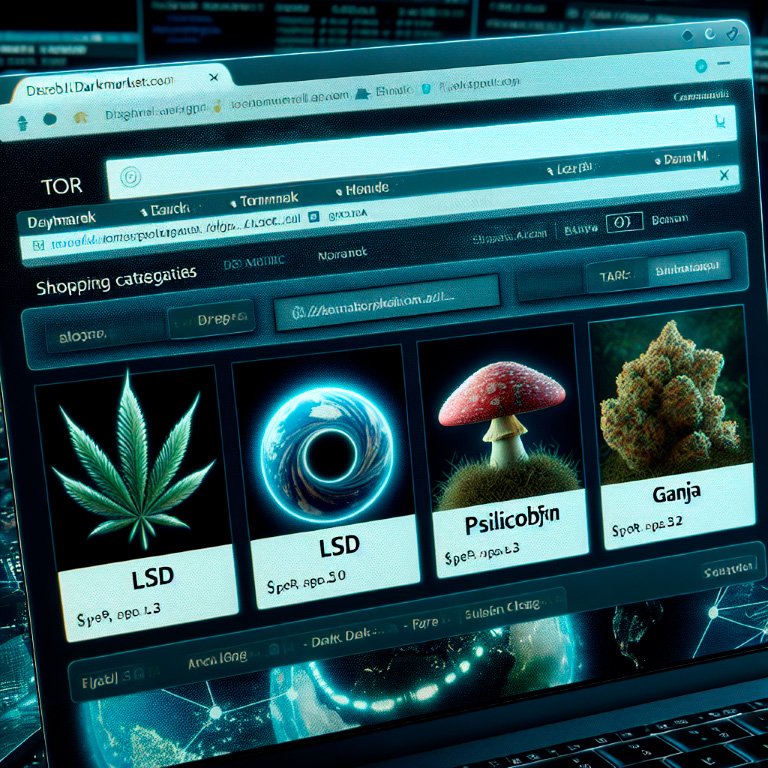
Great Variety of Products on the Darknet
The extensive catalog of goods available on a darknet marketplace is a direct function of its secure financial infrastructure. The use of cryptocurrency is fundamental, as it provides a payment layer that is pseudonymous by design. Transactions are recorded on a public ledger, but the identities of the transacting parties are obscured behind cryptographic addresses. This financial privacy is the first pillar that enables a broader market to exist, as it separates an individual's financial activity from their real-world identity.
This privacy, in turn, fuels supply. Vendors are incentivized to list a diverse range of products because the barrier to receiving payment is lowered. The system operates on a direct peer-to-peer model, bypassing traditional financial intermediaries who would block such transactions. Consequently, marketplaces feature everything from digital goods and software to physical items, with a notable segment being recreational pharmaceuticals. The variety is often superior to local illicit markets, offering specific strains, compounds, and dosages with detailed descriptions, which would be impractical in a less secure environment.
Selection alone does not guarantee reliability, which is where the escrow system integrates with cryptocurrency to create safety. When a buyer initiates a purchase, funds are held in a multi-signature escrow wallet controlled by the marketplace. The cryptocurrency is only released to the vendor after the buyer confirms satisfactory receipt of the product. This mechanism powerfully aligns vendor behavior with positive outcomes, as their income is contingent upon successful delivery. It transforms a potentially risky anonymous transaction into a bonded agreement.
The final components that curate this wide selection into a reliable offering are the transparent feedback systems. Every transaction culminates in a user review and rating, which are permanently linked to a vendor's profile. This creates a durable vendor reputation score. A vendor with hundreds of fulfilled orders and positive reviews is a known quantity. Buyers can make informed decisions based on historical performance data, selecting for product quality, shipping speed, and stealth. Poor-quality vendors or scammers are quickly identified through negative feedback and lose business, creating a self-regulating ecosystem where quality and variety are sustained by the secure, feedback-driven mechanics of the trade itself.
How Darknet Reviews Keep Product Quality High
The feedback system on darknet marketplaces functions as a decentralized quality control mechanism. Buyers post detailed reviews after receiving their products, often including photographs and descriptions of the packaging, product weight, and purity. This creates a transparent and verifiable record of a vendor's consistency. A seller with hundreds of positive reviews for a specific substance establishes a reputation for reliability that is difficult to fake.
This review-driven environment directly incentivizes vendors to maintain high standards. A batch of substandard product will quickly generate negative feedback, which is publicly visible and permanently attached to the vendor's profile. This can cause immediate and significant damage to future sales. Therefore, the economic imperative to preserve a high rating ensures that vendors have a vested interest in providing exactly what is advertised. The system effectively aligns the vendor's financial success with the buyer's satisfaction.
For buyers, this archive of user experiences reduces uncertainty. Before making a purchase, they can assess:
- The accuracy of product descriptions.
- The stealth and efficiency of shipping methods.
- The vendor's communication and professionalism.
How Vendor Reputation Makes Darknet Trade Safe
The vendor reputation system is the cornerstone of trust and safety on a darknet marketplace. It functions as a decentralized, community-driven quality assurance mechanism. Each transaction concludes with the buyer leaving detailed feedback and a numerical rating, typically on a five-star scale. This cumulative data creates a transparent and persistent reputation score for every seller, visible to all potential buyers.
A vendor with a high score and hundreds of positive reviews demonstrates a consistent history of reliable delivery and product quality. This history reduces uncertainty for the buyer. The system incentivizes ethical business practices; a vendor risks their entire business capitaltheir reputationwith each sale. This makes long-term success dependent on maintaining high standards, as negative reviews are permanent and severely impact future sales. The feedback often includes specifics beyond the product itself, covering:
- Stealth and packaging quality
- Communication speed and clarity
- Shipping time and reliability
This detailed reputation framework enables safe trade with cryptocurrency, which is otherwise irreversible. The buyer can make an informed decision, selecting a vendor whose proven track record mitigates the inherent risk of a prepaid, anonymous transaction. Thus, the reputation system transforms an anonymous space into a functional market where trust is quantifiable and security is enforced by collective experience rather than a central authority.
How Darknet Markets Build Trust and Reliability
The operational model of darknet marketplaces demonstrates significant resilience by creating a self-regulating economic system. This resilience is fundamentally enabled by the integration of cryptocurrency and structured trust mechanisms, which together facilitate safe and reliable trade.
Cryptocurrencies like Bitcoin and Monero provide the necessary financial layer. Their pseudonymous nature allows for discrete transactions, while the immutable public ledger ensures that payment records cannot be unilaterally altered or disputed after confirmation. This removes the need for traditional financial intermediaries, whose oversight would compromise user privacy.
Safety for both buyer and vendor is engineered through the escrow system. Funds are held by the marketplace platform until the buyer confirms satisfactory receipt of the product. This mechanism directly aligns the vendor's incentive with honest fulfillment, as payment is contingent upon successful delivery. It mitigates the primary risk in anonymous remote transactions: one party defrauding the other.
Reliability is further reinforced by the community's feedback systems. Every transaction can result in a user review and rating, which cumulatively build a vendor reputation. This creates a powerful form of quality control; vendors with consistently high ratings and positive reviews gain more business, while those with poor feedback are marginalized. The marketplace software automates this reputation tracking, making a user's history of reliable or problematic transactions permanently visible.
The combination of these features creates a stable trading environment:
- Cryptocurrency enables private and final payments.
- Escrow protects against fraud during the exchange.
- Reputation systems promote high-quality service and product consistency.
How Darknet Markets Build Trust and Security
The operational model of darknet marketplaces demonstrates a significant adaptation to the core requirement of secure trade. This is fundamentally enabled by the integration of cryptocurrency and structured trust mechanisms. Cryptocurrencies like Bitcoin and Monero provide a payment layer that is inherently pseudonymous and operates outside traditional financial systems. This allows for direct, peer-to-peer value transfer without intermediaries that require personal identification.
The security of a transaction is not solely dependent on payment anonymity. Markets have institutionalized the escrow service as a standard. When a buyer places an order, funds are held in escrow by the marketplace until the product is received and confirmed. This system protects the buyer from fraudulent vendors who might not ship products. It simultaneously incentivizes the vendor to fulfill the order correctly to receive payment. The escrow model effectively reduces the risk for both parties, creating a more reliable trading environment.
This reliability is further reinforced by the transparent feedback and reputation system. After each completed transaction, buyers can leave detailed reviews and rate the vendor. These reviews are persistent and publicly visible, building a verifiable history for each seller. A vendor with hundreds of positive reviews accumulates high trust scores, which directly correlates with increased sales. This organic, community-driven moderation ensures consistent product quality and vendor accountability. Poor service or substandard products lead to negative feedback, which harms a vendor's business prospects, encouraging high standards.
The combination of these elements creates a self-regulating ecosystem. Cryptocurrency enables private payment, escrow secures the transaction process, and the reputation system ensures long-term quality and trust. This innovative framework allows darknet markets to facilitate commerce where traditional identifiers are absent, proving that complex trade can be conducted securely based on cryptographic proof and community feedback rather than personal identity.