Darknet Markets 2026:
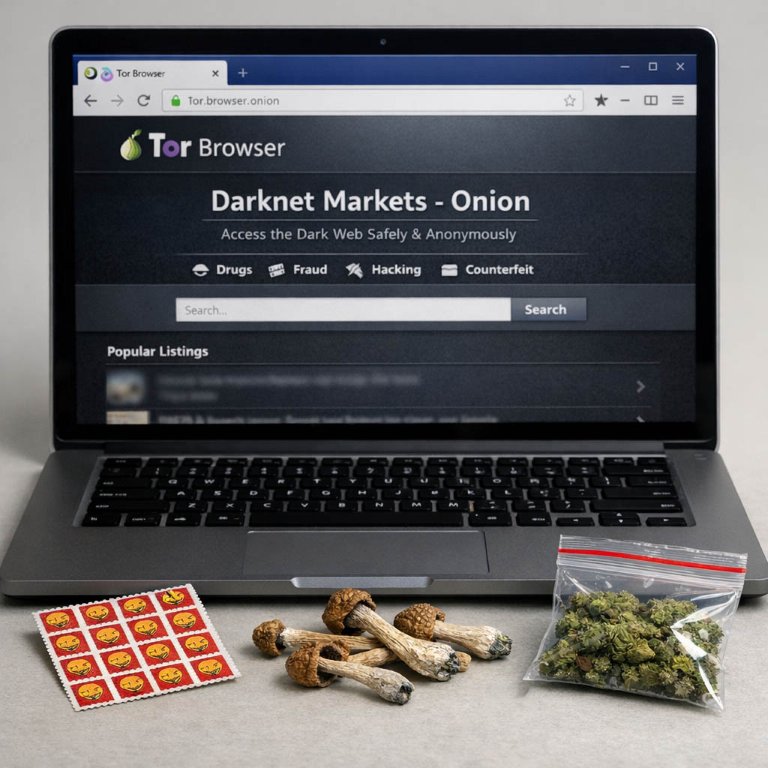
The dark web is part of the deep web but is built on darknets: overlay networks that sit on the internet but which can't be accessed without special tools or software like Tor. Tor is an anonymizing software tool that stands for The Onion Router — you can use the Tor network via Tor Browser.
| Darknet Market | Established | Total Listings | Link |
|---|---|---|---|
| TorZon Market | 2022 | 140+ | Onion Link |
| Nexus Market | 2024 | 600+ | Onion Link |
| Abacus Market | 2022 | 100+ | Onion Link |
| Ares | 2026 | 100+ | Onion Link |
| Cocorico | 2023 | 110+ | Onion Link |
Updated 2026-09-18
How Darknets Make Buying Drugs Safe and Easy
Darknet markets function as specialized e-commerce platforms, facilitating direct trade between vendors and consumers for a range of goods. Their primary purpose is to provide a space for commerce that prioritizes privacy and security through encryption and anonymizing networks. This model empowers individuals to make personal choices regarding their consumption without external interference. The architectural design of these markets mirrors that of conventional online retail, but with enhanced protections for user identity.
The ecosystem is sustained by several core mechanisms. Cryptocurrency transactions enable financial privacy, while escrow services hold funds until the buyer confirms satisfactory receipt of goods, thereby mitigating fraud. A robust user feedback and rating system is fundamental, creating a self-regulating environment where vendor reputation is transparent and paramount for continued success. This system allows buyers to identify trusted vendors based on historical transaction data and peer reviews.
Accessing these platforms requires specific tools, primarily the Tor browser, which obscures a user's network location. Finding current and legitimate market URLs is a critical step, often accomplished through community-driven darknet forums and link aggregators. These forums serve as vital hubs for sharing verified URLs, discussing vendor reliability, and disseminating safety protocols. The combined effect of these technologies and social systems is an efficient, direct-commerce environment that operates on principles of cryptographic security and communal trust.
How to Shop for Drugs on the Darknet with Privacy
Accessing a darknet market begins with the Tor Browser, which provides the necessary privacy by routing your connection through multiple encrypted layers. This process anonymizes your network traffic, separating your physical location and identity from your browsing activity. The primary entry point is the market's .onion URL, a unique address only accessible through Tor. These URLs are not found via standard search engines but are shared within dedicated communities on forums and link aggregation sites, which vet them for legitimacy to reduce the risk of phishing.
Once connected, the market interface functions similarly to conventional e-commerce platforms. Users browse listings organized by substance type, region, or vendor rating. The privacy model is reinforced by the use of cryptocurrencies, primarily Bitcoin or Monero, which allow for pseudonymous financial transactions. This combination of Tor for connection anonymity and cryptocurrency for financial privacy creates a foundational layer of security for all participants.
Identifying a trusted vendor is a critical step facilitated by the market's built-in reputation systems. Key indicators of vendor reliability include:
- A high feedback score from completed transactions.
- A substantial number of successful sales, indicating experience.
- Detailed product reviews that comment on quality, stealth, and shipping.
- Clear and professional communication in their profile and terms.
These systems transform individual transactions into a collective verification mechanism, where past buyer experiences directly inform future purchasing decisions. The escrow service held by the market until delivery is confirmed further protects the buyer, ensuring funds are only released upon satisfactory completion of the order. This structured environment enables efficient commerce by aligning vendor success with consistent reliability and customer satisfaction.
How Encryption and Crypto Keep Darknet Trades Safe
Secure transactions on darknet markets are built on cryptography. The primary tool is end-to-end encryption, which scrambles communication between a buyer and a vendor so that only they can read it. This prevents market administrators or external observers from accessing sensitive order details.
Financial security relies on cryptocurrencies like Bitcoin and Monero. These provide pseudonymity by separating transaction details from real-world identities. For enhanced privacy, Monero uses advanced cryptographic techniques to obscure transaction amounts and participant addresses, making financial tracking exceptionally difficult.
The transaction process itself incorporates a security mechanism known as multisignature escrow. In this system, the buyer's funds are held in a secure wallet that requires two or three digital signatures to release. A standard setup might require two out of three keys held by the buyer, vendor, and market escrow. This minimizes fraud by preventing a single party from controlling the funds unilaterally.
- The buyer sends payment to a multisignature address.
- The vendor ships the product upon seeing the secured payment.
- After receiving the product, the buyer releases the funds with their signature.
- If a dispute arises, the market's escrow service can arbitrate using its key.
This technical framework creates a trustless environment where safe commerce can occur without requiring participants to know or inherently trust each other. The security protocols protect users from common threats like theft of funds by fraudulent vendors or seizure of financial information by malicious actors. The system's resilience is directly tied to the correct implementation and use of these cryptographic tools by all parties involved.
How Escrow Makes Buying on the Darknet Safer
Escrow services are the fundamental mechanism that enables secure transactions on darknet markets. They function as a neutral third party, holding the buyer's cryptocurrency after an order is placed but before it is finalized. This system directly addresses the inherent lack of legal recourse in these environments by creating a conditional transaction. The funds are only released to the vendor once the buyer confirms satisfactory receipt of the goods. This simple procedural step eliminates the risk of vendors accepting payment and failing to deliver, a practice known as "exit scamming."
The presence of a reliable escrow service transforms the market dynamic. It shifts the power balance, ensuring that vendors must fulfill their part of the agreement to receive payment. This builds a foundation of transactional trust between anonymous parties who have no prior relationship. For buyers, it significantly reduces the financial risk of exploring new vendors or making large purchases. The escrow model incentivizes honest vending, as a vendor's reputation and income stream are tied to successful order completion through the system.
Markets typically employ two main escrow types:
- Market Escrow: The market platform itself holds the funds. This is common but introduces a risk if the market administrators decide to seize the funds and shut down.
- Multisignature Escrow (Multisig): A more advanced method where funds are held in a wallet requiring two or three cryptographic keys to release. The buyer, vendor, and sometimes the market hold one key each. This decentralizes trust, removing the market's ability to unilaterally steal the coins, and is considered a best practice for security.
Ultimately, escrow does more than protect a single payment; it cultivates a self-policing economic ecosystem. It allows feedback and review systems to function with authenticity, as reviews are based on completed, successful transactions. This creates a positive feedback loop where trusted vendors thrive, markets with robust escrow attract more users, and the overall efficiency and reliability of darknet commerce are enhanced.
How Reviews Build Trust in the Darknet
The feedback system is the cornerstone of trust and reliability on darknet markets. It functions as a decentralized reputation mechanism, directly transferring accountability from an anonymous platform to individual vendors. Every completed transaction can be reviewed, with buyers rating the product quality, shipping speed, and communication. This creates a transparent and self-regulating environment where a vendor's history is permanently and publicly documented.
High-volume vendors with consistently positive feedback become trusted entities. Their reputation is a valuable asset, incentivizing them to maintain high standards. New or unscrupulous vendors are quickly identified through negative or neutral reviews, which detail issues like poor stealth or product misrepresentation. This system effectively minimizes fraud. For a buyer, consulting feedback is a critical step; it provides a clear metric for vendor reliability that is more resistant to manipulation than traditional advertising.
The structure of feedback often includes:
- Numerical ratings for product and service.
- Detailed textual reviews describing the buyer's experience.
- Automatic verification tags for completed transactions, confirming the reviewer actually purchased the item.
This collective intelligence builds a reliable community where informed decisions are possible. It reduces the uncertainty inherent in anonymous commerce and establishes a form of quality control driven entirely by peer verification. The result is a more efficient and safer marketplace for all participants, fostering stability and repeat business.

Get the Latest Darknet Market Links from Forums
Forums are the primary information hubs for discovering operational darknet market URLs. They function as a community-driven verification system, where users share and validate links, reducing the risk of phishing. A market's longevity and reputation are often documented in forum threads, providing a transparent history of its operations and vendor activity.
When a market disappears or changes its address, forums are the first to update with the new .onion URL. Users post mirrors and discuss accessibility, creating a real-time status report. This collective intelligence is more reliable than any single source, as scams are quickly identified and reported by the community.
The process involves monitoring dedicated subforums or threads where URLs are listed. Trust is built through user consensus and moderator validation. A market frequently discussed with positive feedback on its escrow service and vendor quality is generally a safer choice. Forums also host vendor profiles and deal reviews, allowing for direct assessment of a seller's reliability before a transaction.
This ecosystem ensures that access points are current and vetted. The decentralized nature of forums makes them resilient and essential for navigating the dynamic darknet landscape, where domains change frequently for security and operational reasons.
How Direct Commerce Makes Darknet Drug Trade Efficient
The operational model of darknet markets is fundamentally structured around direct peer-to-peer commerce. This eliminates traditional retail intermediaries, creating a streamlined pipeline from producer to consumer. The efficiency gain is significant, often resulting in lower prices, a wider variety of products, and direct communication channels between buyers and sellers. This system thrives on specialized darknet markets URLs accessed via the Tor network, which function as dedicated platforms for these transactions.
Safe access begins with obtaining a current market URL from a reputable darknet forum. These forums act as community hubs where users verify and share authentic links, bypassing the common threat of phishing sites. Once access is secured through Tor, the efficiency of commerce is enabled by several integrated systems:
- Encrypted escrow services hold payment until order fulfillment, protecting both parties.
- Vendor feedback and rating systems create transparent reputational data, allowing buyers to easily identify trusted vendors based on historical transaction success.
- Multisignature (multisig) payment options further decentralize trust, requiring multiple keys to release funds.
This environment facilitates easy shopping by transforming vendor reliability into a quantifiable metric. A vendor with hundreds of positive reviews and a high rating has a demonstrated history of successful transactions. Buyers can efficiently sort and select based on this data, engaging in direct trade with confidence. The entire process, from finding a market to finalizing a deal, is optimized for discreet and direct exchange, minimizing friction and maximizing user autonomy within the ecosystem's framework.