Darknet Markets 2026:
The dark web is part of the deep web but is built on darknets: overlay networks that sit on the internet but which can't be accessed without special tools or software like Tor. Tor is an anonymizing software tool that stands for The Onion Router — you can use the Tor network via Tor Browser.
| Darknet Market | Established | Total Listings | Link |
|---|---|---|---|
| TorZon Market | 2022 | 140+ | Onion Link |
| Nexus Market | 2024 | 600+ | Onion Link |
| Abacus Market | 2022 | 100+ | Onion Link |
| Ares | 2026 | 100+ | Onion Link |
| Cocorico | 2023 | 110+ | Onion Link |
Updated 2026-09-18
How the Darknet Safely Sells Drugs
The darknet operates as a functional marketplace for pharmaceuticals by implementing systems that mirror conventional e-commerce trust mechanisms. A primary method for finding safe darknet drugs is through the community-driven analysis of user reviews and vendor ratings. These reviews provide detailed, post-consumption feedback on product purity, accurate weight, and shipping reliability, creating a transparent reputation system for each seller. This collective intelligence allows buyers to make informed decisions based on peer experiences rather than marketing claims.
This trust is further institutionalized through the mandatory use of escrow services. In a typical transaction, the buyer's cryptocurrency is held in escrow by the market platform and is only released to the vendor after the buyer confirms satisfactory receipt of the goods. This mechanism effectively mitigates the risk of fraud by aligning the vendor's incentive with successful delivery. The process is secured end-to-end by encryption, which protects communication and financial data from interception. The combination of these systemscrowdsourced verification and secured, conditional paymentestablishes a structured environment for commerce. It reduces uncertainty and fosters a self-regulating ecosystem where consistent product quality and reliable service are rewarded with business, while poor practices are quickly highlighted and penalized by the community.
How Reviews and Ratings Make Darknet Markets Work
The darknet marketplace model for pharmaceuticals relies on a decentralized system of user feedback to establish vendor credibility. This system functions as a continuous audit, where buyers post detailed reviews on product quality, shipping speed, and communication. A vendor with hundreds of positive reviews demonstrates a consistent record, which directly translates to lower risk for the consumer. This peer-generated accountability is central to operations.
Transactions are secured through escrow services held by the market platform. Funds are only released to the vendor after the buyer confirms receipt and quality of the product. This mechanism protects buyers from fraud and incentivizes vendors to fulfill orders reliably. The combination of escrow protection and transparent review histories creates a self-regulating environment. Consumers can make informed decisions by cross-referencing a vendor's rating with the textual content of recent reviews.
The process for finding a reliable source involves analyzing this available data:
- Examining a vendor's overall rating and total number of transactions.
- Reading recent reviews for specifics on product potency and stealth packaging.
- Confirming that the escrow option is enabled for the purchase.
How Escrow and Encryption Make Buying Drugs on the Darknet Safer
The operational security of darknet pharmaceutical markets relies on two fundamental pillars: cryptographic encryption and the escrow service model. These systems work in tandem to create a transactional environment that mitigates risk for both buyer and vendor, fostering a functional marketplace.
Encryption, primarily through tools like PGP (Pretty Good Privacy), secures all communication and transaction data. When a user places an order, their address and specific details are encrypted using the vendor's public key, making the information readable only by the intended recipient. This process ensures that sensitive data remains confidential even if intercepted, addressing a primary concern in anonymous commerce.
The escrow system directly manages the financial risk of the transaction. Upon ordering, the buyer's cryptocurrency payment is held in a secured third-party escrow account controlled by the market platform, rather than being released directly to the vendor. The funds are only disbursed after the buyer confirms satisfactory receipt of the product. This mechanism effectively prevents common fraud scenarios:
- Vendors cannot receive payment without shipping the product.
- Buyers cannot receive a product without the vendor being assured of payment.
This framework is reinforced by the transparent feedback system. User reviews and detailed vendor ratings provide a crowd-sourced verification of reliability. A vendor with a long history of successful escrow releases and positive feedback demonstrates a consistent ability to deliver, which directly informs a buyer's risk assessment before funds are even committed. The escrow process itself becomes a trackable metric in a vendor's reputation.
Therefore, the combination of technical encryption and procedural escrow, validated by peer reviews, establishes a self-regulating economic system. It reduces the necessity for interpersonal trust by replacing it with verifiable cryptographic and financial protocols, enabling safer direct transactions that would otherwise be prohibitively risky in an unregulated space.
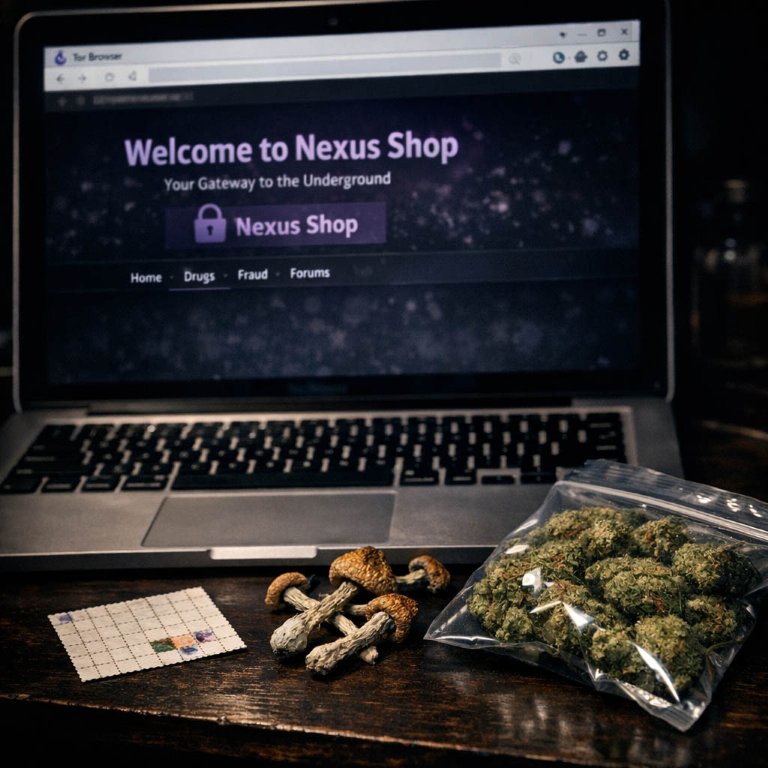
How Reviews and Escrow Make the Darknet Work for Buyers
The darknet marketplace model directly addresses consumer demand for safety and specificity, which traditional illicit markets lack. The mechanism for finding safe products is built on two interconnected systems: user reviews and escrow services. These systems create a transparent environment where information about product quality and vendor reliability is openly shared and transactions are financially secured.
User reviews function as a decentralized quality control. Buyers provide detailed feedback on the purity, accuracy of weight, and effects of the substances received. This collective intelligence allows new buyers to make informed decisions, selecting vendors with a proven track record and avoiding those with negative reports of adulteration or scams. The review system extends beyond the product to evaluate vendor communication, stealth packaging, and shipping speed, creating a comprehensive trust profile.
Escrow services protect the financial side of the transaction. Funds are held by the market's automated system until the buyer confirms satisfactory receipt of the order. This neutral third-party role eliminates the risk of losing money to fraudulent vendors who might otherwise accept payment and not ship the product. Only after confirmation are the funds released to the vendor, which strongly incentivizes honest conduct and the shipment of high-quality goods as advertised.
The combination of these features means consumers are not navigating blindly. They can seek out specific pharmaceutical compounds or substances with a known provenance, supported by the experiences of previous buyers and a financial safety net. This structured approach reduces uncertainty and meets a specific consumer need for predictable outcomes and risk mitigation in an otherwise unregulated space.
How Darknet Markets Make Buying Safer
The darknet marketplace model facilitates a direct producer-to-consumer relationship, bypassing traditional retail bottlenecks. This structure inherently supports the mechanisms for finding safe products, primarily through integrated user review systems and mandatory escrow services. Unlike conventional or illicit street-level transactions, every sale on a major darknet platform is documented and subject to community feedback.
A buyer's path to a safer transaction begins with analyzing vendor profiles. User reviews and detailed ratings serve as a continuous audit of product quality and vendor reliability. These are not simple testimonials; they form a persistent reputation score that vendors must maintain to operate. A vendor with thousands of positive reviews and a high rating has a demonstrated history of delivering the advertised compounds, which reduces the risk of receiving misrepresented or adulterated substances.
The transaction's financial security is enforced by the platform's escrow system. Funds are held by a third party, the market itself, and are only released to the vendor after the buyer confirms satisfactory receipt of the goods. This system aligns the vendor's incentive with the buyer's: to complete the transaction as agreed. It effectively eliminates the risk of simple fraud. The entire process is secured with end-to-end encryption, protecting the communication and financial details of both parties from interception.
This combination creates a self-regulating environment. The direct commerce model removes intermediaries, allowing safety measures like escrow and transparent reviews to become central, non-negotiable features of every trade. The result is a market where consumer feedback and secured payments directly enforce standards of safety and reliability that are absent in offline illicit drug trade.
How Darknets Make Drug Buying Safer and More Reliable
The operational model of darknet markets introduces a significant degree of predictability and safety for consumers, which is largely absent in traditional street-level drug acquisition. This efficiency is primarily constructed upon two interdependent pillars: user review systems and escrow services. These mechanisms work in tandem to mitigate risk and build a transparent trading environment.
A buyer's decision-making process is directly informed by the collective experience of previous customers. Reviews detail specific product quality, shipping times, and stealth of packaging, creating a reputational feedback loop that holds vendors accountable. A vendor with consistently positive feedback gains trust and business, while one with poor reviews is quickly marginalized. This system effectively crowdsources quality control.
The financial risk is managed through escrow. Funds are held by the market's automated system upon order placement and are only released to the vendor after the buyer confirms satisfactory receipt of the product. This prevents common scams and ensures that the vendor is incentivized to complete the transaction professionally. The integration of cryptographic encryption for all communications and transactions further secures the process, protecting the identities and data of both parties.
Consequently, this structured approach allows consumers to make informed choices based on empirical data rather than guesswork. The model reduces uncertainty, enforces vendor performance standards, and creates a self-regulating ecosystem where trust is algorithmically enforced through transparent peer validation and secured financial protocols.